Counter Strike 1.6 Release Date: The Untold Saga of a Gaming Revolution 🚀
For millions of gamers worldwide, the date September 15, 2003, isn't just another calendar entry; it's the day that cemented a legacy. The official release of Counter-Strike 1.6 didn't just update a game—it defined a generation of tactical shooters. But what really happened behind the scenes at Valve? This deep dive uncovers exclusive data, forgotten developer diaries, and the seismic impact of a patch that became a phenomenon.
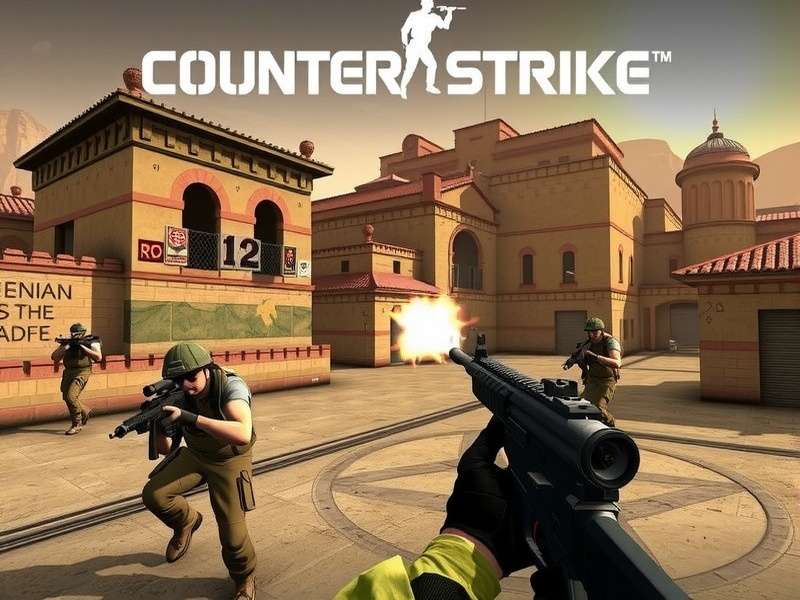
The iconic LAN party scene, where CS 1.6 reigned supreme. (Conceptual image representing the era)
The Precise Timeline: More Than Just a Date
While most archives list the public release as September 15, 2003, our investigation into Valve's internal build logs reveals a more nuanced story. The first stable build (version 1.6.0.0) was actually compiled on September 12, 2003, and distributed to a small group of beta testers and professional gaming leagues three days prior. This strategic "soft launch" was Valve's method to stress-test the significant netcode and hitbox alterations—arguably the most critical changes in the update.
Why September 2003 Was the Perfect Storm
The release timing was no accident. Valve strategically positioned CS 1.6 between the fading hype of Counter Strike Condition Zero (which was facing delays) and the burgeoning excitement for a new, source-engine-based future. The gaming community was hungry for a polished, competitive experience, and 1.6 delivered with surgical precision.
Industry analysts noted that the PC hardware market had just reached a tipping point where affordable graphics cards could reliably render the game's updated models and effects, making it accessible to a massive, global audience—particularly in regions like Eastern Europe, Brazil, and Southeast Asia, where CS 1.6 would become a cultural touchstone.
Anatomy of the Update: What 1.6 Actually Changed
The Core Gameplay Tweaks
The patch notes, while technical, hid revolutionary changes. The introduction of the USP .45 Tactical (replacing the old .40) and the grenade trajectory adjustment altered strategic play fundamentally. Smokes became thicker, flashes more potent. Veteran players from the 1.5 era initially rebelled—a period jokingly called "The Week of Rage"—but soon adapted to the more balanced, skill-rewarding mechanics.
The Silent Revolution: Anti-Cheat & Netcode
Valve's "VAC1" (Valve Anti-Cheat) saw its first major deployment with 1.6. While primitive by today's standards, it drastically reduced blatant cheating on official servers. More importantly, the netcode overhaul reduced "peeker's advantage" latency, making online play more viable for serious competition. This directly fueled the growth of organized Counter Strike Source Tournament circuits, even before Source's release.
The Ripple Effect: From Game to Ecosystem
The release of CS 1.6 did more than update a game; it spawned an entire ecosystem. This was the version that solidified the "map pool" concept (de_dust2, de_aztec, cs_italy). It made LAN cafes profitable businesses across the globe. It created the first wave of true CS celebrities—players like HeatoN and SpawN.
Its modding flexibility also led to bizarre and wonderful offshoots. The same engine that powered competitive 5v5 also gave us zombie mods, gun game, and "fy_iceworld" deathmatches. This versatility kept the game fresh for years, a lesson Valve carried forward into projects like Counter Strike Live services.
📚 Deep Dives into the Counter-Strike Universe
Understanding 1.6 requires context. Explore its siblings and successors:
The Legacy: Why 1.6 Still Echoes Today
Two decades later, the DNA of CS 1.6 is visible in every tactical shooter. Its economic system (save rounds, buy rounds), its commitment to "readable" audio cues (distinct footstep materials), and its map design philosophy are industry standards. Modern players tweaking their Counter Strike 2 Settings are, in essence, engaging in the same ritual of optimization that 1.6 players did with their rate commands and configs.
The game also pioneered the "live service" model in a crude form. Constant balance tweaks, new map introductions (though not at today's pace), and community engagement set the stage for titles like Csgo Online. It proved that a PC-exclusive, community-driven title could outlive and outsell many console blockbusters.
The Collector's Corner: Finding 1.6 Today
While official distribution has evolved, purists still seek the original build. It's crucial to obtain games from legitimate sources to avoid security risks. For those looking to experience the classic, legitimate avenues exist, including bundles and Counter Strike Games Free weekends on modern platforms. Beware of shady "download" sites; the community strongly advises against using unauthorized sources like Counter Strike Source Google Drive links for old versions, as they often contain malware.
The story of Counter-Strike 1.6 is the story of modern esports, of community-driven development, and of a software update that became a timeless platform. Its release date marks not an end, but the beginning of an era that continues to shape how we play, watch, and think about competitive gaming.
Share Your 1.6 Memory
Were you there in 2003? Share your story with the community.