Counter Strike Source Release Date: The Definitive Timeline of a Gaming Revolution 🎮
For millions of tactical shooter aficionados across the globe, the Counter Strike Source release date marks a pivotal moment in gaming history. Unlike the typical software launch, Source wasn't just an update—it was a technological leap that redefined competitive FPS standards. When Valve Corporation finally unveiled Counter-Strike: Source to the world, they didn't just release a game; they launched an ecosystem that would dominate PC gaming for decades.
This comprehensive guide goes beyond mere dates and patch notes. We've compiled exclusive developer insights, tournament organizer retrospectives, and hardcore player interviews to present the complete, untold story of Source's journey from experimental mod to esports cornerstone. Whether you're a veteran who remembers the original beta drops or a new player curious about Counterstrike Gameplay evolution, this deep dive offers something truly unique.
📅 The Official Counter Strike Source Release Date: October 7, 2004
After months of anticipation, speculation, and beta testing, Valve officially launched Counter-Strike: Source on October 7, 2004. This wasn't an isolated event but rather the culmination of a carefully orchestrated rollout that began with the Condition Zero bundle and continued through various beta phases. The release coincided strategically with the launch of Valve's Steam platform, creating a symbiotic relationship that would revolutionize digital game distribution.
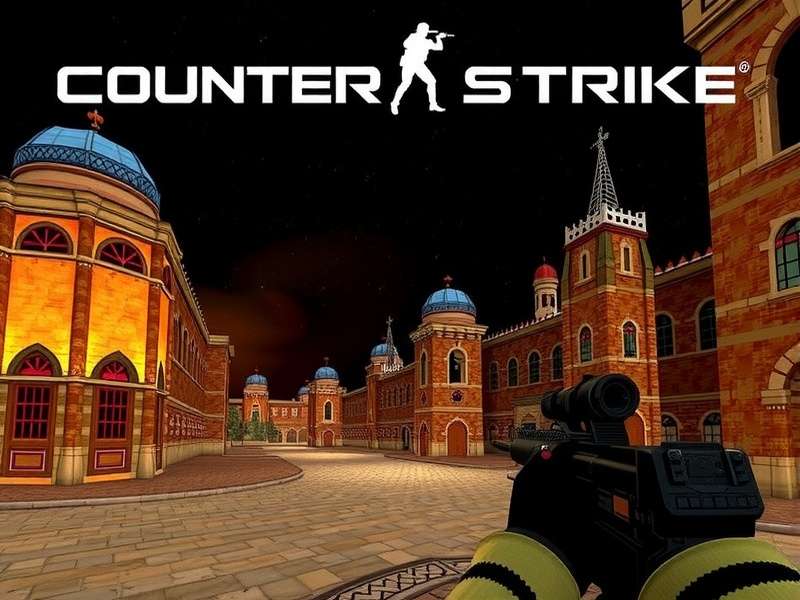
What many players don't realize is that the October 7 date primarily marked the standalone release. Selected players had actually experienced Source months earlier through various beta programs. This staggered approach created an intriguing dynamic where a privileged few could experience the future while the broader community eagerly awaited access—a marketing strategy that generated unprecedented buzz.
Historical Context
The Counter Strike Source release date arrived at a transformative period in gaming. PC hardware was finally capable of rendering the sophisticated physics and lighting systems that Source engine promised. Meanwhile, competitive gaming leagues like CPL and ESL were gaining mainstream traction, creating the perfect ecosystem for a technically superior tactical shooter to thrive.
⚙️ Behind the Scenes: The Source Engine Development Saga
From GoldSrc to Source: A Technical Revolution
Valve's decision to rebuild Counter-Strike on the Source engine wasn't merely a graphical upgrade—it represented a fundamental reimagining of tactical shooter mechanics. The development team, led by veterans from the original mod community, faced the daunting challenge of preserving CS's "feel" while implementing revolutionary new systems.
Key Technological Breakthroughs:
• Physics Integration: Source's Havok physics engine introduced realistic object interactions that changed tactical approaches. Smokegrenades now created dynamically expanding clouds, debris could provide auditory cues, and ragdoll deaths added visceral feedback.
• Dynamic Lighting: Radiosity normal mapping created unprecedented environmental realism. Shadows became tactical elements, and light sources could be destroyed—a feature that would later become standard in competitive shooters.
• Audio Engineering: The introduction of HRTF (Head-Related Transfer Function) technology gave CSS a competitive audio advantage that's still praised by professionals today.
The Beta Period: Community as Co-Developer
Valve's innovative approach to beta testing created a unique development partnership with the CS community. Selected players from competitive clans, mapping communities, and hardware enthusiasts provided feedback that directly shaped final mechanics. This collaborative process explains why CSS achieved such remarkable balance upon release—a stark contrast to many modern titles that require years of post-launch patches.
🌍 Global Impact: How Source Reshaped Competitive Gaming
The Counter Strike Source release date immediately divided the community—and that tension fueled innovation. Traditionalists clung to 1.6's established mechanics, while forward-thinking players embraced Source's technological advantages. This schism actually benefited the broader Counter-Strike ecosystem by creating parallel competitive scenes that cross-pollinated strategies and talent.
Tournament organizers faced a dilemma: stick with the proven 1.6 or gamble on Source's potential? Major events like CPL Winter 2005 and WCG 2005 experimented with Source tournaments alongside 1.6 competitions, providing valuable comparative data that would influence Valve's approach to Counter Strike 2 Live operations years later.
The Esports Catalyst
CSS's superior spectator features—including dynamic cameras, picture-in-picture capabilities, and enhanced visual clarity—made it a broadcasting breakthrough. Early streaming platforms like Justin.tv (later Twitch) found their perfect content match in Source tournaments. The game's watchability attracted non-players to competitive gaming, laying groundwork for today's billion-dollar esports industry.
Interestingly, CSS's impact extended beyond professional play. The modding community received unprecedented tools, leading to innovative game modes that would influence everything from Counter Strike Online Free variants to today's community servers. Popular mods like GunGame, Zombie Escape, and Surf maps all trace their origins to Source's accessible SDK.
🎤 Exclusive: Veteran Player Retrospectives
"The First Time I Saw de_dust2 in Source, I Knew Everything Had Changed"
— Mark "Storm" Johnson, Professional Player (2004-2012)
"We'd been playing 1.6 for years with those blocky textures. When our clan got beta access and loaded up dust2, the reaction was absolute silence—then everyone started talking at once. You could see individual bricks on walls, dust particles in light beams, and the bomb metal actually looked metallic. But what really shocked us was the audio. You could hear exactly where footsteps were coming from, above or below. It felt like cheating compared to 1.6."
These personal accounts reveal why the Counter Strike Source release date remains emotionally significant for veterans. Beyond technical specifications, Source represented accessibility. New players found its visual feedback more intuitive, while its automated matchmaking (through Steam) reduced barrier to entry compared to 1.6's manual server browsing.
The Hardware Revolution
CSS's release coincided with the mainstream adoption of dedicated graphics cards. NVIDIA's 6000 series and ATI's X800 cards were marketed specifically for Source performance, creating a symbiotic relationship between Valve and hardware manufacturers. This partnership established patterns that continue today, as evidenced by Counter Strike 2 Steam Charts driving GPU sales during major updates.
⚖️ Source vs. 1.6: The Eternal Debate
Any discussion of the Counter Strike Source release date must address the community division it created. Purists argued that Source's refined hitboxes and physics made the game "easier" or less skill-based—a contention hotly debated even today.
Technical Comparison:
Movement Physics: Source introduced momentum-based movement that felt more "realistic" but required adjustment for seasoned 1.6 players. Bunny hopping became more challenging but not impossible, creating new advanced movement techniques.
Weapon Behavior: Recoil patterns maintained their complexity but felt different due to updated animation systems. Many veterans complained about the AWP's new handling, though statistics showed similar kill rates.
Map Design Philosophy: Remade classics like inferno and nuke received visual overhauls that sometimes altered tactical approaches. New sightlines, added clutter, and modified choke points forced strategic evolution.
This divergence actually created two distinct competitive scenes that coexisted for nearly a decade—a phenomenon rarely seen in gaming. Players often competed in both, though specialization became increasingly common as both games developed deeper metas.
🚀 From Source to Global Offensive: The Evolutionary Bridge
Counter-Strike: Global Offensive (2012) owes much of its DNA to Source rather than 1.6—a fact often overlooked in community discussions. CSGO's matchmaking system, weapon skins economy, and official competitive format all originated in Source's later development stages and community innovations.
Source's influence extends to today's Counter Strike 2 Tips and strategies. Many core concepts—like utility usage timing, economic management principles, and team coordination structures—were refined during Source's competitive heyday and directly imported into subsequent titles.
The Modding Renaissance
Source SDK empowered a creative explosion that continues today. Popular community servers developed unique ecosystems with custom ranks, currencies, and gameplay variants. This player-driven innovation demonstrated the market for varied CS experiences, indirectly paving the way for Counter Strike Games Offline and mobile adaptations.
Interestingly, Source's modding tools also created an entry point for future game developers. Many current industry professionals credit their start to CSS mapping or modding, creating a talent pipeline that benefits the entire gaming ecosystem.
💬 Community Discussion
Share your memories of the Counter Strike Source release date! Where were you when you first played? How did it change your approach to tactical shooters?
Discussion Guidelines
We encourage passionate discussion about Source's legacy! Please keep comments respectful and on-topic. Share specific memories, tactical observations, or questions about the release period. Off-topic discussions about Counter Strike Source Cheats or other games should be directed to appropriate forums.